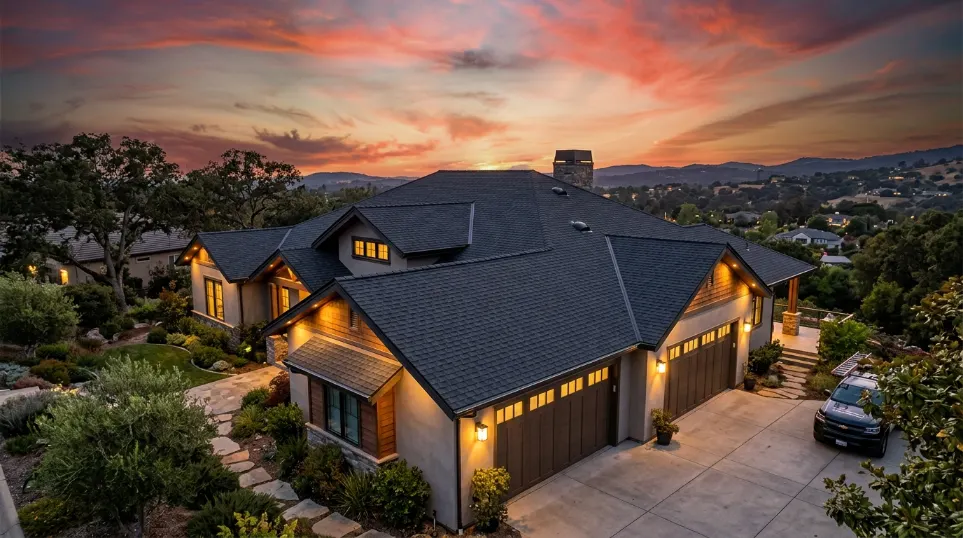
Gale-force gusts and severe seasonal storms exert intense negative aerodynamic uplift pressure across roof perimeters, ripping adhesive sealant bonds and snapping shingle tabs along windward eaves. Left exposed to driving rain, unprotected decking sheathing absorbs moisture rapidly. HailGuard Pro links homeowners directly with established storm damage roofing contractors who thoroughly audit wind uplift displacement and restore total structural integrity.
Connect with a local roofing specialist in your area
Immediate dispatch for urgent storm damage recovery, stopping moisture intrusion within hours of severe weather.
Contractors perform physical on-roof slope examinations to uncover subtle granule bruising and micro-fractures.
Restorations meet strict regional building codes, utilizing high-wind rated architectural materials and fasteners.
Connecting property owners with proven, independent contractors who maintain physical presence in your local market.
During severe convective storms, wind rushing over roof peaks creates low-pressure vortexes along eaves, rakes, and ridge lines. When wind speeds exceed shingle uplift ratings, adhesive thermal sealant strips fracture. Even if shingles do not blow away entirely, creased or loosened tabs allow subsequent rain to blow upwards underneath shingle courses, directly attacking the wooden roof deck.
A thorough storm damage inspection examines more than just missing shingles. Specialists examine roof eave lines for torn starter strips, check chimney counter-flashing for wind displacement, and evaluate attic ventilation baffles to ensure gale-force microbursts did not rupture the secondary moisture barrier protecting the home.
Our referral network connects property owners with comprehensive solutions tailored to your property:
Testing adhesive sealant strips across windward roof facets and applying specialized thermoplastic adhesives to prevent future shingle blow-off.
Replacing blown-off ridge capping with heavy-duty architectural hip shingles to prevent wind-driven rain from penetrating the central attic ridge line.
Extracting fallen tree branches, inspecting truss rafters for structural fractures, and rebuilding punctured roof sheathing.
Re-securing lifted metal drip edges, gutter systems, and rake trim to guarantee unbroken water runoff along roof edges.
Ignoring early signs of roof degradation frequently causes moisture to spread through attic framing and insulation. Watch for these symptoms:
Independent technicians utilize proven, code-compliant methodologies to guarantee lasting weather protection:
Engineering-based protocols to diagnose wind tear-off, fastener pull-through, and shingle mat stress.
High winds lift shingle tabs, breaking the factory asphalt sealant strip. Even if the shingle remains in place, broken seals allow rainwater to blow underneath and cause hidden leaks. Technicians physically check sealant adhesion across affected slopes.
Violent microbursts create intense uplifting pressure that can pull shingle mats straight over nail heads. Technicians identify hidden fastener pull-through that leaves shingle courses completely unanchored.
Eaves and rakes endure the highest wind shear. Restoration protocols require interlocking starter shingles and corrosion-resistant fasteners driven along drip edges to resist future gale gusts up to 130 mph.
Selecting materials engineered to withstand severe convective storms and straight-line wind events.
When restoring wind-damaged roofs, installing shingles certified to ASTM D3161 (Class F, 110 mph) or ASTM D7158 (Class H, 150 mph) is essential. These modern architectural shingles utilize advanced polymer-modified asphalt and wide nailing zones designed to hold fast during severe thunderstorm microbursts.
Proper installation is equally critical: building codes in high-wind regions mandate a 6-nail fastening pattern rather than the standard 4-nail residential schedule, dramatically reducing the risk of edge tear-off.
Roof ridges and eaves experience the highest aerodynamic suction during severe storms. If ridge cap shingles or aluminum drip edges are poorly fastened, wind peels them backward, exposing the apex of the roof deck to torrential rain.
Contractors ensure ridge caps are secured with ring-shank roofing nails penetrating at least 3/4 inch into deck sheathing, paired with baffled ridge vents that prevent wind-driven rain from penetrating the attic cavity.
HailGuard Pro operates strictly as an independent advertising and homeowner referral platform connecting residential and commercial property owners with independent, pre-screened roofing restoration professionals. HailGuard Pro is not a licensed general contracting entity, engineering firm, or public insurance adjuster. All inspections, physical scopes, warranties, material specifications, and estimates are provided exclusively and independently by the licensed contractor dispatched to your property. In accordance with state insurance regulations including Texas Insurance Code Chapter 27-02 and Texas House Bill 2102, contractors are strictly prohibited by law from paying, rebating, absorbing, or offering to offset any portion of an insured property owner's required insurance deductible.
Our independent network provides Storm & Wind Damage across 2,346 cities and 43 states. Select a major local service hub below:
Answers to common homeowner questions regarding repair procedures and costs.
Wind often breaks the factory adhesive seal beneath shingles without tearing them completely off. This allows shingles to flap in subsequent breezes, creating crease lines along the tab top and permitting wind-driven rain to infiltrate beneath the course.
Standard 3-tab shingles can suffer seal failure and blow-off in winds as low as 50 to 60 mph. Modern architectural shingles typically resist winds up to 110 mph, but aged or improperly nailed shingles can fail at substantially lower wind speeds.
Most standard homeowners policies cover sudden storm and wind damage, including shingle replacement, flashing repair, and interior water damage mitigation. A professional contractor provides photographic proof to support your claim scope.
No. Texas House Bill 2102 makes it a criminal misdemeanor for any roofing contractor to pay, rebate, waive, or absorb an insurance deductible. Homeowners are legally required to pay their deductible.
Straight-line winds push shingles and debris in one uniform direction, frequently lifting entire eave sections, while tornadic rotational winds twist shingles, tear off ridge caps, and scatter debris in divergent directions across multiple slopes.
Explore our other specialized storm recovery and roof restoration services:
Rapid response emergency roof leak repair network. Connect with local storm specialists to stop active ceiling drips, water stains, and structural moisture infiltration.
View Service Details βΊComprehensive physical roof leak detection & storm damage diagnostic assessments. Identify subtle moisture infiltration pathways, micro-fractures, and hidden shingle damage.
View Service Details βΊPrecision missing & damaged shingle repair services. Color-matched architectural shingle replacement for hail-bruised, curled, or blown-off asphalt shingles.
View Service Details βΊExpert roof flashing repair and precision resealing. Stop persistent leaks around chimneys, dormers, roof valleys, and vertical wall junctions.
View Service Details βΊImmediate 24/7 emergency roof tarping deployment. Heavy-duty waterproof poly tarps securely cleated to shield storm-punctured roofs from active rain and wind damage.
View Service Details βΊ
Don't wait for minor damage to escalate into costly structural rot. Connect directly with an established local storm damage specialist in your area.