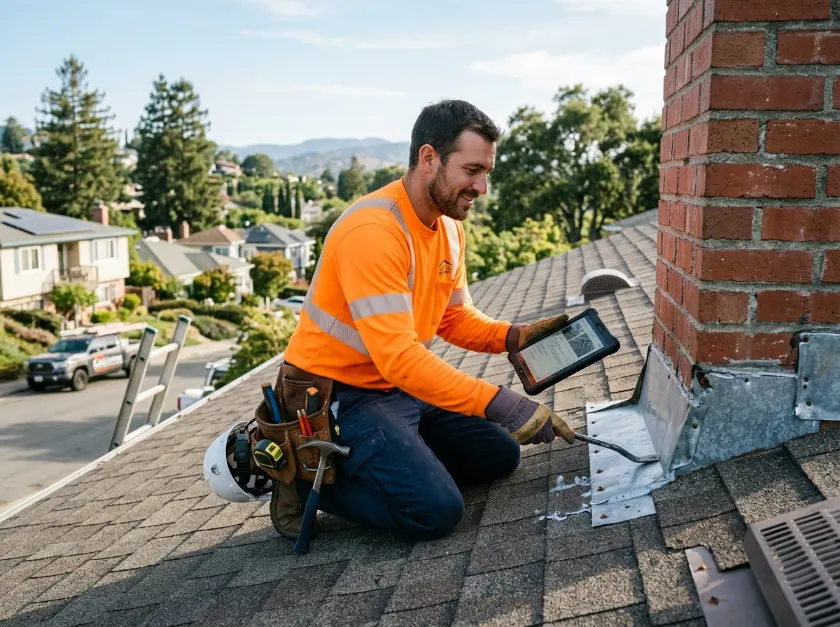
When catastrophic storms blow away large swaths of shingles, violent hail punctures decking sheathing, or fallen tree limbs breach roof structures, immediate emergency tarping serves as the primary barrier preventing total interior water damage. HailGuard Pro connects property owners with emergency response crews ready to deploy industrial-grade, UV-stabilized waterproof tarps within hours of a storm event, protecting your property while permanent repairs are coordinated.
Connect with a local roofing specialist in your area
Immediate dispatch for urgent storm damage recovery, stopping moisture intrusion within hours of severe weather.
Contractors perform physical on-roof slope examinations to uncover subtle granule bruising and micro-fractures.
Restorations meet strict regional building codes, utilizing high-wind rated architectural materials and fasteners.
Connecting property owners with proven, independent contractors who maintain physical presence in your local market.
Improperly installed tarps quickly flap in high winds, gather pooling water, and pull loose, allowing torrential rain into exposed attic spaces. Simply draping a lightweight plastic tarp over a roof and holding it down with rocks or bricks fails during storms. High wind uplift lifts unsecured edges, and pooling water creates heavy water bags that can collapse interior drywall ceilings.
Experienced roofing technicians utilize heavy-duty, 10-to-12 mil reinforced polyethylene tarps secured with 2x4 wooden furring strips screwed into structural rafters. By wrapping the tarp over the roof ridge whenever possible, they ensure driving rainwater flows over the tarp rather than running underneath, keeping your property dry until permanent repairs occur.
Our referral network connects property owners with comprehensive solutions tailored to your property:
Safely removing storm-downed branches from roof slopes and evaluating structural decking before deploying protective tarps.
Draping reinforced tarps over the roof peak to prevent wind-driven rainwater from getting beneath the upper edge of the tarp.
Deploying heavy-gauge waterproof membranes and sandbag ballasts across flat sections and low-pitch valleys where water gathers.
Thoroughly photographing the underlying damage before tarp placement to provide detailed evidence for property condition records.
Ignoring early signs of roof degradation frequently causes moisture to spread through attic framing and insulation. Watch for these symptoms:
Independent technicians utilize proven, code-compliant methodologies to guarantee lasting weather protection:
Professional ridge-over containment techniques that withstand 50+ mph winds.
Technicians always carry the tarp past the roof ridge crest, anchoring it on the opposite, undamaged slope. This prevents water from running down the slope and slipping beneath the top edge of the tarp.
Instead of sandbags or loose bricks that can blow away or cause decking collapse, crews secure tarps using 2x4 wooden furring strips mechanically fastened with screws directly into roof rafter trusses.
Tarp edges are rolled tightly into wooden battens to eliminate loose flaps that catch wind shear, ensuring the containment barrier remains drum-tight during subsequent convective storms.
Protecting property equity while satisfying homeowner insurance mitigation requirements.
When a tree branch punctures a roof or severe hail smashes skylights, immediate tarping is vital to prevent secondary water damage. Uncontained water saturates drywall, causes ceiling collapses, ruins flooring, and triggers dangerous electrical fires.
Professional emergency tarping creates an impenetrable temporary roof envelope, buying essential time for insurance claim adjusters to inspect the property and contractors to assemble permanent restoration materials.
Virtually all homeowners insurance policies contain a legal "Duty to Mitigate Loss" clause, requiring policyholders to take reasonable steps to prevent further damage following a covered peril.
Failing to tarp an open roof breach can result in denial of coverage for subsequent interior water and mold damage. Independent contractors provide itemized emergency mitigation invoices that are typically 100% reimbursable under insurance claims.
HailGuard Pro operates strictly as an independent advertising and homeowner referral platform connecting residential and commercial property owners with independent, pre-screened roofing restoration professionals. HailGuard Pro is not a licensed general contracting entity, engineering firm, or public insurance adjuster. All inspections, physical scopes, warranties, material specifications, and estimates are provided exclusively and independently by the licensed contractor dispatched to your property. In accordance with state insurance regulations including Texas Insurance Code Chapter 27-02 and Texas House Bill 2102, contractors are strictly prohibited by law from paying, rebating, absorbing, or offering to offset any portion of an insured property owner's required insurance deductible.
Our independent network provides Emergency Roof Tarping across 2,346 cities and 43 states. Select a major local service hub below:
Answers to common homeowner questions regarding repair procedures and costs.
A professionally installed heavy-duty tarp secured with wooden furring strips is designed to protect a roof for up to 60 to 90 days while insurance claims and permanent repair scheduling are finalized.
Trained technicians minimize damage by fastening furring strips into rafter lines and strategically placing screws in areas where shingles already require storm replacement, sealing anchor points with elastomeric compound.
Yes. Emergency tarping is categorized as reasonable and necessary temporary mitigation under the property coverage portion of homeowners insurance, and is typically reimbursable by your insurance carrier.
Attempting DIY tarping during or after a storm is hazardous due to steep pitches, wet surfaces, and hidden structural weakness. Furthermore, sandbags and bricks shift in wind, trap pooling water, and can cause ceiling collapse.
Our referral dispatch network connects homeowners with local emergency tarping specialists who typically respond within 2 to 4 hours of your call during active storm emergencies.
Explore our other specialized storm recovery and roof restoration services:
Rapid response emergency roof leak repair network. Connect with local storm specialists to stop active ceiling drips, water stains, and structural moisture infiltration.
View Service Details βΊFull-service storm damage roof repair and wind uplift restoration. Connect with local contractors to repair torn shingles, secure loose ridge caps, and stabilize roof decking.
View Service Details βΊComprehensive physical roof leak detection & storm damage diagnostic assessments. Identify subtle moisture infiltration pathways, micro-fractures, and hidden shingle damage.
View Service Details βΊPrecision missing & damaged shingle repair services. Color-matched architectural shingle replacement for hail-bruised, curled, or blown-off asphalt shingles.
View Service Details βΊExpert roof flashing repair and precision resealing. Stop persistent leaks around chimneys, dormers, roof valleys, and vertical wall junctions.
View Service Details βΊ
Don't wait for minor damage to escalate into costly structural rot. Connect directly with an established local storm damage specialist in your area.