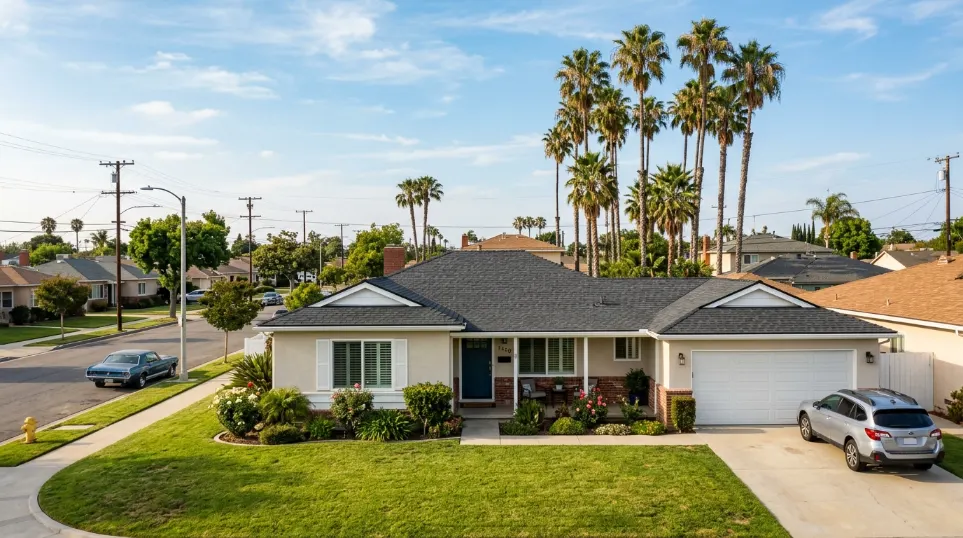
Roof flashing consists of custom-shaped galvanized steel, aluminum, or copper installed at vulnerable junctions where roof slopes meet vertical walls, chimneys, dormers, and valleys. Over time, seasonal thermal expansion pulls fasteners loose, breaks dried caulking bonds, and allows wind-driven rain to bypass shingles entirely. HailGuard Pro matches homeowners with local specialists who custom-bend, replace, and reseal flashing to eliminate leaks permanently.
Connect with a local roofing specialist in your area
Immediate dispatch for urgent storm damage recovery, stopping moisture intrusion within hours of severe weather.
Contractors perform physical on-roof slope examinations to uncover subtle granule bruising and micro-fractures.
Restorations meet strict regional building codes, utilizing high-wind rated architectural materials and fasteners.
Connecting property owners with proven, independent contractors who maintain physical presence in your local market.
While shingles shed rainwater down roof slopes, metal flashing directs concentrated runoff away from vertical architectural intersections. Because immense volumes of water flow through valleys and around chimneys during heavy downpours, a single quarter-inch gap in flashing caulking can funnel gallons of water directly into interior wall cavities and ceiling joists.
Temporary caulking smears rarely solve flashing leaks for more than a few weeks because thermal expansion breaks silicone bonds quickly. Experienced roofing crews remove loose step flashing, inspect the wall sheathing, install high-temperature waterproof membranes, and install custom-bent metal flashing that channels water safely into drainage gutters.
Our referral network connects property owners with comprehensive solutions tailored to your property:
Grinding out decayed mortar joints, installing new copper or galvanized counter-flashing, and resealing with weather-rated polyurethane compounds.
Extracting buckled valley sheet metal, applying self-adhering ice-and-water shields, and installing seamless W-valley metal profiles.
Weaving new L-shaped metal step flashing beneath existing shingle courses along vertical siding junctions to halt wall water entry.
Replacing cracked, sun-rotted rubber plumbing boots with all-metal and high-grade silicone collar systems that endure intense seasonal heat.
Ignoring early signs of roof degradation frequently causes moisture to spread through attic framing and insulation. Watch for these symptoms:
Independent technicians utilize proven, code-compliant methodologies to guarantee lasting weather protection:
How technicians rebuild metal transitions around chimneys, valleys, and walls.
Every sidewall transition requires step flashing pieces interleaved between each shingle course, creating a tiered water cascade that prevents runoff from slipping behind vertical siding or stucco.
Contractors grind mortar joints 1 inch deep, anchoring custom-bent counter-flashing with lead wedges and high-grade polyurethane masonry sealant to guarantee waterproof brick-to-roof transitions.
Valleys endure extreme water volume. Contractors install 24- to 26-gauge W-valley or closed-cut metal flashings backed by full-width self-adhering membranes to prevent valley overflows and ice dams.
Why metal flashing durability requires accommodating thermal expansion and galvanic compatibility.
When repairing roof flashing, using compatible metals is critical to avoid galvanic corrosion. Pairing copper flashing with galvanized steel nails or aluminum valley liners causes rapid electrolytic deterioration, destroying the metal within a few seasons.
Professional technicians select matching metals—such as heavy-gauge galvalume steel, pre-painted aluminum, or commercial grade copper—fastened exclusively with compatible stainless steel or hot-dipped fasteners.
Roof flashing experiences extreme temperature swings, expanding under scorching direct sunlight and contracting rapidly during rainstorms. Standard silicone or acrylic caulking lacks the elasticity to endure this cyclic movement and quickly cracks.
Independent contractors utilize professional-grade polyurethane and hybrid polymer elastomeric sealants that maintain 50%+ joint movement capability, ensuring flashing seams remain watertight across decades of extreme weather.
HailGuard Pro operates strictly as an independent advertising and homeowner referral platform connecting residential and commercial property owners with independent, pre-screened roofing restoration professionals. HailGuard Pro is not a licensed general contracting entity, engineering firm, or public insurance adjuster. All inspections, physical scopes, warranties, material specifications, and estimates are provided exclusively and independently by the licensed contractor dispatched to your property. In accordance with state insurance regulations including Texas Insurance Code Chapter 27-02 and Texas House Bill 2102, contractors are strictly prohibited by law from paying, rebating, absorbing, or offering to offset any portion of an insured property owner's required insurance deductible.
Our independent network provides Roof Flashing Repair across 2,346 cities and 43 states. Select a major local service hub below:
Answers to common homeowner questions regarding repair procedures and costs.
Roof flashing consists of thin metal pieces (usually galvanized steel, aluminum, or copper) installed at roof joints and penetrations—including chimneys, dormers, valleys, skylights, and vent pipes—to redirect water away from seams.
Flashing leaks typically produce interior water stains directly adjacent to vertical walls, chimney fireplaces, or beneath roof valleys, whereas shingle leaks often appear in open ceiling expanses.
Minor surface rust can be wire-brushed and sealed, but severely rusted, pitted, or displaced flashing requires carefully removing adjacent shingles to install new, properly integrated step and counter-flashing pieces.
Step flashing consists of individual L-shaped metal pieces woven into each shingle course along sloped sidewalls, while continuous apron flashing is a single long metal piece used where a horizontal roof slope meets a vertical wall.
Roofing tar and cheap silicone caulking dry out, crack, and pull away from metal surfaces under UV exposure within months, trapping water against roof decking and accelerating hidden wood rot.
Explore our other specialized storm recovery and roof restoration services:
Rapid response emergency roof leak repair network. Connect with local storm specialists to stop active ceiling drips, water stains, and structural moisture infiltration.
View Service Details ›Full-service storm damage roof repair and wind uplift restoration. Connect with local contractors to repair torn shingles, secure loose ridge caps, and stabilize roof decking.
View Service Details ›Comprehensive physical roof leak detection & storm damage diagnostic assessments. Identify subtle moisture infiltration pathways, micro-fractures, and hidden shingle damage.
View Service Details ›Precision missing & damaged shingle repair services. Color-matched architectural shingle replacement for hail-bruised, curled, or blown-off asphalt shingles.
View Service Details ›Immediate 24/7 emergency roof tarping deployment. Heavy-duty waterproof poly tarps securely cleated to shield storm-punctured roofs from active rain and wind damage.
View Service Details ›
Don't wait for minor damage to escalate into costly structural rot. Connect directly with an established local storm damage specialist in your area.